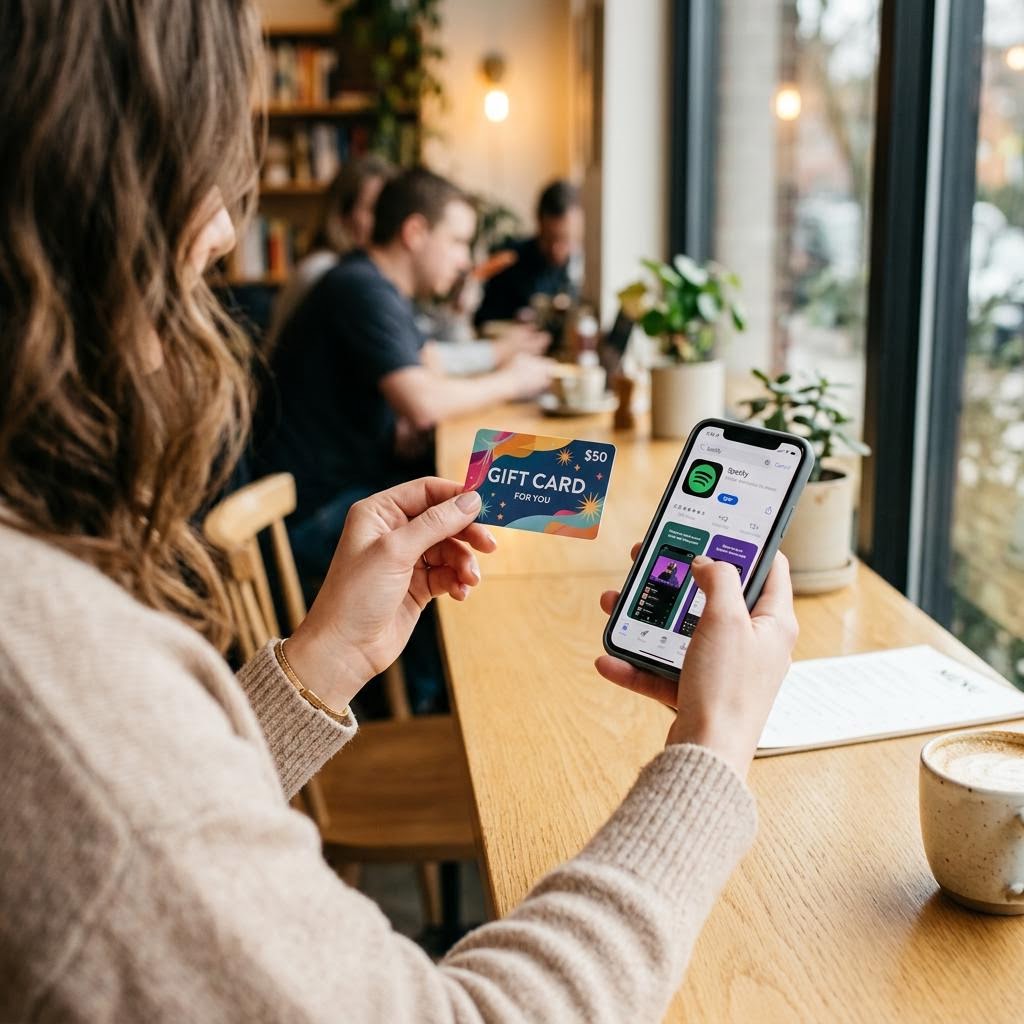
Record the number the day you get it
Photograph or write down the card number, any PIN, and the customer service number, and keep it somewhere separate from the card itself. This is the single highest-value habit, because almost every remedy available to you requires the number, and a lost card takes the number with it.
Store it somewhere access-controlled — a password manager’s secure notes rather than a photo library that syncs to several devices, or a chat thread with yourself. Keep the purchase receipt with that record. Together the number and the receipt are your entire negotiating position with an issuer.
Register the card if the programme allows
Some programmes let you attach a card to a name, an email, or an account. Where available this is worth doing, because it converts a pure bearer instrument into something with an ownership record — which is exactly what makes a replacement claim plausible after a loss.
Registration also usually enables online balance checks and transaction history, which is how you notice unauthorised use early rather than at a till. And where a card can be redeemed into a retailer account entirely, do that: value behind a login with a password is meaningfully safer than a number printed on plastic.
Check balances only through channels you navigated to
Balance-check phishing is common and effective. A convincing page asks for your card number and PIN, thanks you, and drains the balance immediately. The pages rank in search results, arrive in text messages, and appear on QR stickers applied over legitimate ones.
So never reach a balance-check page by following a link someone sent you, and never from a QR code on packaging you did not verify. Type the address printed on the card itself, or call the printed number. The credential you are about to enter is the money — treat the destination with corresponding suspicion.
Handle the physical card like cash
Do not photograph the front and back together and post it anywhere, including a private group chat — those get screenshotted and forwarded. Do not leave cards visible in a car. Do not mail a card together with a note stating its value, and if you must post one, keep the receipt.
The framing that gets this right: most gift cards are not replaceable if lost, and the programmes that will replace one require proof of purchase. That is closer to how cash behaves than how a bank card behaves, and treating it as cash produces correct instincts.
The best protection is spending it
Every week a card sits unused adds exposure: loss, theft, dormancy charges on some programmes, retailer insolvency, and the plain forgetting that ends most gift card balances. None of these risks decrease over time, and no security habit eliminates them.
So the recommendation that outperforms all the others is unromantic. Spend the card reasonably soon. Waiting for a perfect occasion is the mechanism by which most value is quietly lost, and it converts a gift someone paid real money for into a statistic in an issuer’s breakage forecast.