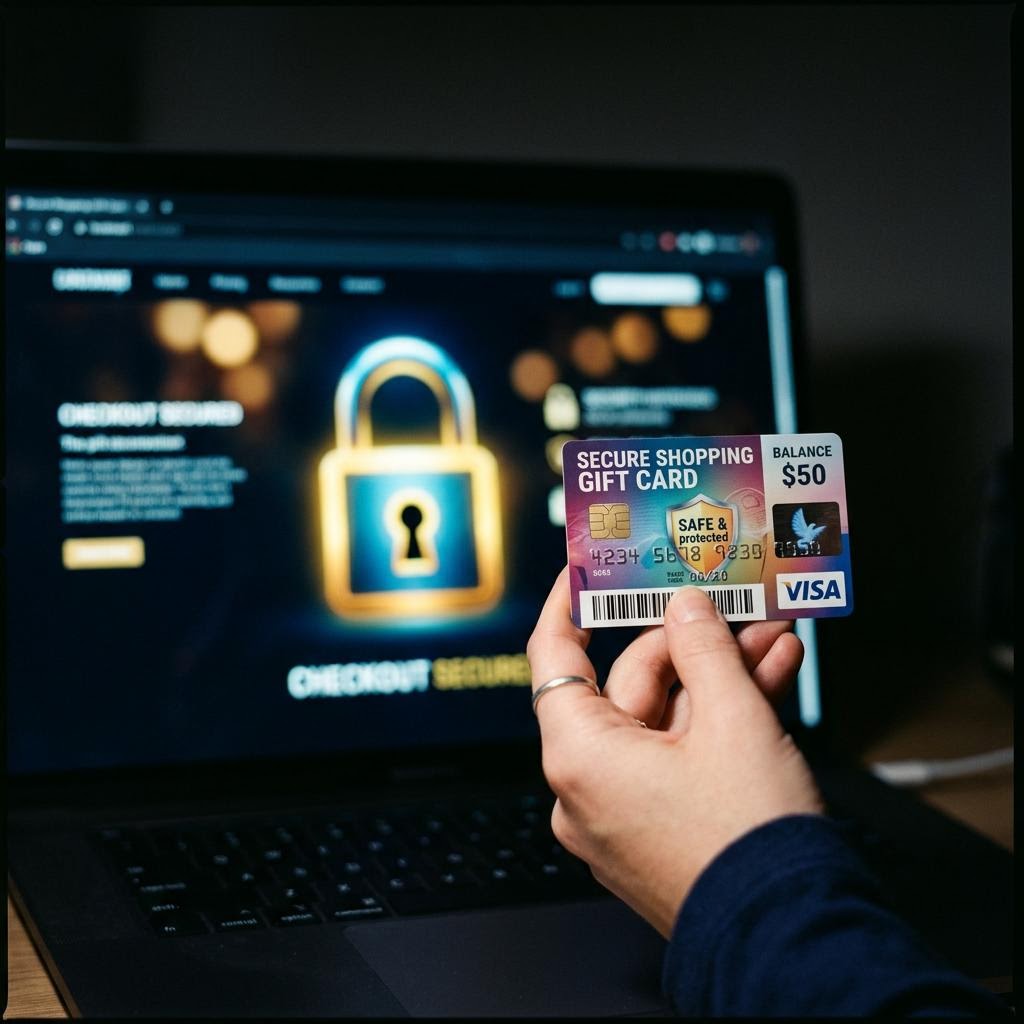
The properties that make them ideal
Understand the instrument and every scam script becomes predictable. A gift card is a bearer credential: whoever holds the number holds the value. It can be collected remotely by reading digits over a phone, with no physical meeting and no bank account in anyone’s name. It clears effectively instantly.
Most importantly, it is irreversible in a way almost nothing else is. A card payment can be charged back, a bank transfer can sometimes be recalled, but a redeemed gift card balance is simply spent. There is no intermediary with an obligation to reverse it and no statutory dispute process compelling anyone to try. That combination is why the request appears in fraud after fraud.
The scripts are all one script
The variants are familiar: a government agency claiming you owe tax and face arrest; a utility threatening to cut power within the hour; technical support that has found a virus and needs payment to remove it; a grandchild in trouble abroad; an employer asking urgently for cards for a client; a romantic interest with a sudden emergency.
Strip the theatre and every one has the same three components: manufactured urgency, an instruction not to discuss it with anyone, and a demand for payment specifically in gift cards. The urgency prevents thought, the isolation prevents a second opinion, and the payment method prevents recovery. The story is set dressing.
One rule that ends all of them
No legitimate organisation on earth accepts gift cards as payment for a debt, a fine, a tax bill, a utility account, bail, legal fees, or a fee to release a prize. Not one. There is no exception, no unusual circumstance, and no department that works differently.
That single fact resolves every scenario above without needing to evaluate the story. The moment gift cards are requested as payment, the interaction is fraudulent — regardless of how much the caller knows about you, how convincing the documentation looks, or how plausible the ID that appeared on your phone. Caller ID is trivially forged and knowing your address proves nothing.
The workplace variant deserves separate attention
Business email compromise using gift cards is widespread and effective because it exploits hierarchy rather than fear. A message appearing to come from a senior person asks a junior one to buy cards for a client gift, promises reimbursement, and stresses discretion. The social cost of questioning an executive does the work that urgency does elsewhere.
The defence is procedural, not perceptual. Organisations should establish that gift card purchases never happen by email request, that any such request is verified by a voice call to a known number, and — most importantly — that no employee will ever be criticised for pausing to check. Without that last part, the policy will not hold.
If it has already happened
Move immediately, because the window is measured in minutes to hours. Call the card issuer on the number on the back, report it as fraud, and ask them to freeze the balance. Occasionally the value has not yet been drained and can be saved. Then contact the retailer where you bought it, since some maintain fraud teams that can act on unspent balances.
Report it regardless of recovery odds — to the FTC, to your state attorney general, and to local police for the report number that other organisations ask for. And discard the embarrassment: these scripts are professionally built to work on competent people, and reporting is what makes the pattern visible enough to be disrupted.