Three different things called the same thing
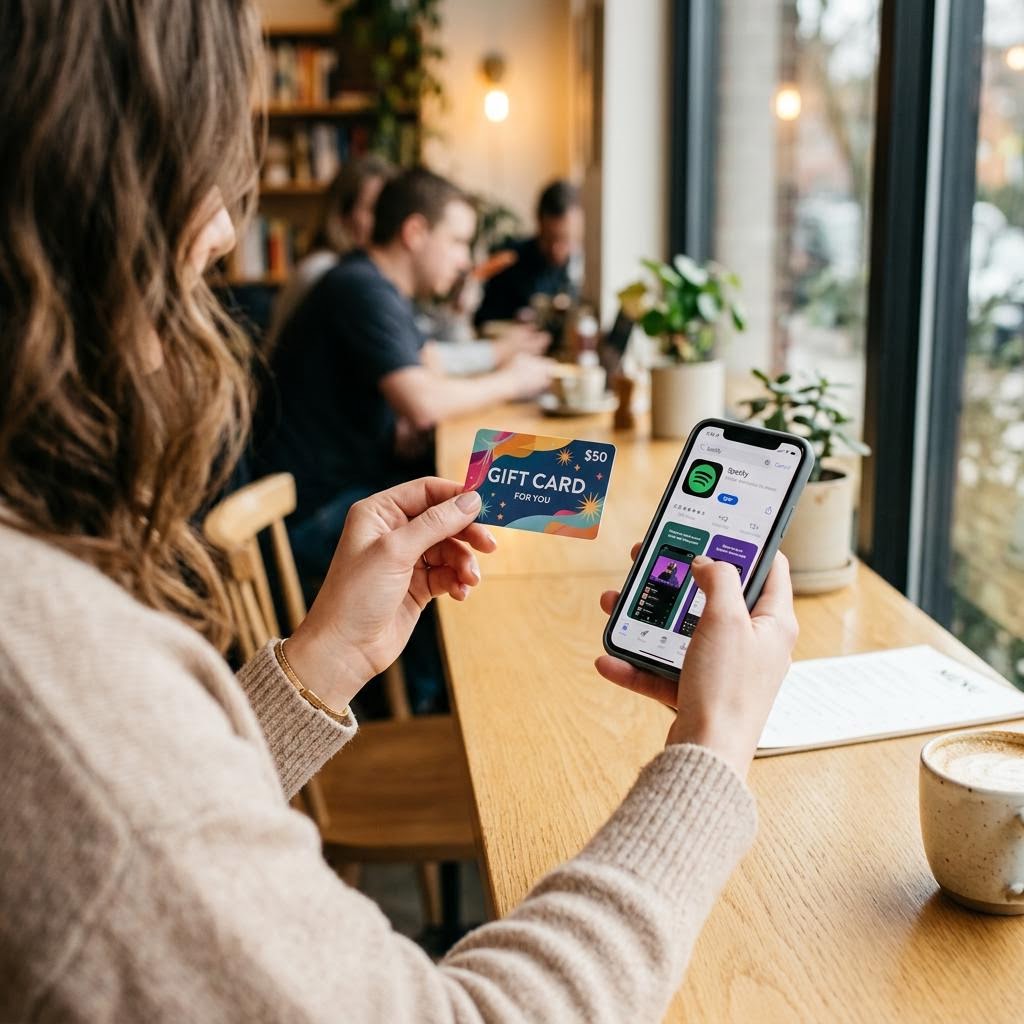
Wallet support is not one feature. Some closed-loop cards are added to the retailer’s own app, which then holds the balance and presents a barcode — this generally works well because the retailer controls both ends. Some cards are added to the platform wallet as a pass, which is essentially a stored barcode with a nicer interface.
And some network-branded prepaid cards can be provisioned for genuine contactless payment, tapping like a debit card. Only the third gives you tap-to-pay anywhere; the first two still require a merchant who can scan a barcode. Knowing which one you have prevents the specific embarrassment of holding a phone at a terminal that was never going to read it.
Why your card will not add
The most common reason is simply that the issuer never built support. Wallet provisioning requires work from the card programme, and smaller or older programmes have not done it. No amount of retrying will change this, and the error messages are rarely honest about the cause.
Others fail because the card was not registered, because the programme requires an account before provisioning, or because the balance is below a threshold. Mall and multi-retailer cards are the least likely to work at all, since they depend on acceptance logic that platform wallets do not model well.
The failure modes at the till
Barcode passes fail when a scanner cannot read a screen — worn glass, aggressive auto-brightness, or a scanner angled for paper. Turn brightness to maximum and be ready to read the number aloud, because the number is the actual credential and the barcode is only a convenience.
Contactless prepaid fails differently, usually on authorisation holds. Fuel pumps, restaurants, and hotels commonly authorise more than the final amount, and a fixed balance cannot absorb that. A card with thirty dollars can be declined at a pump holding for a hundred, and the money is not gone but it is briefly unavailable.
What the wallet does and does not protect
A provisioned contactless card is genuinely more secure at the point of sale than plastic, because the terminal sees a device token rather than the card number. That is a real improvement, and it means a compromised merchant terminal does not expose your underlying card.
A barcode pass offers no such protection — it is a picture of a credential, and the card number sits in it in readable form. Anyone with access to your unlocked phone has the balance, and screenshots of wallet passes are as dangerous as screenshots of codes. Device-level security is doing all the work here.
A sensible arrangement
Keep the physical card, or at minimum a record of the number, even after adding it to a wallet. Wallets lose passes during device migrations, and a barcode you cannot display is a balance you cannot reach. The number written down somewhere private is the fallback that always works.
Add cards you use often, not everything you own. A wallet full of near-zero balances you cannot easily distinguish is worse than a drawer, because at least the drawer does not make you scroll at a register with a queue behind you.